
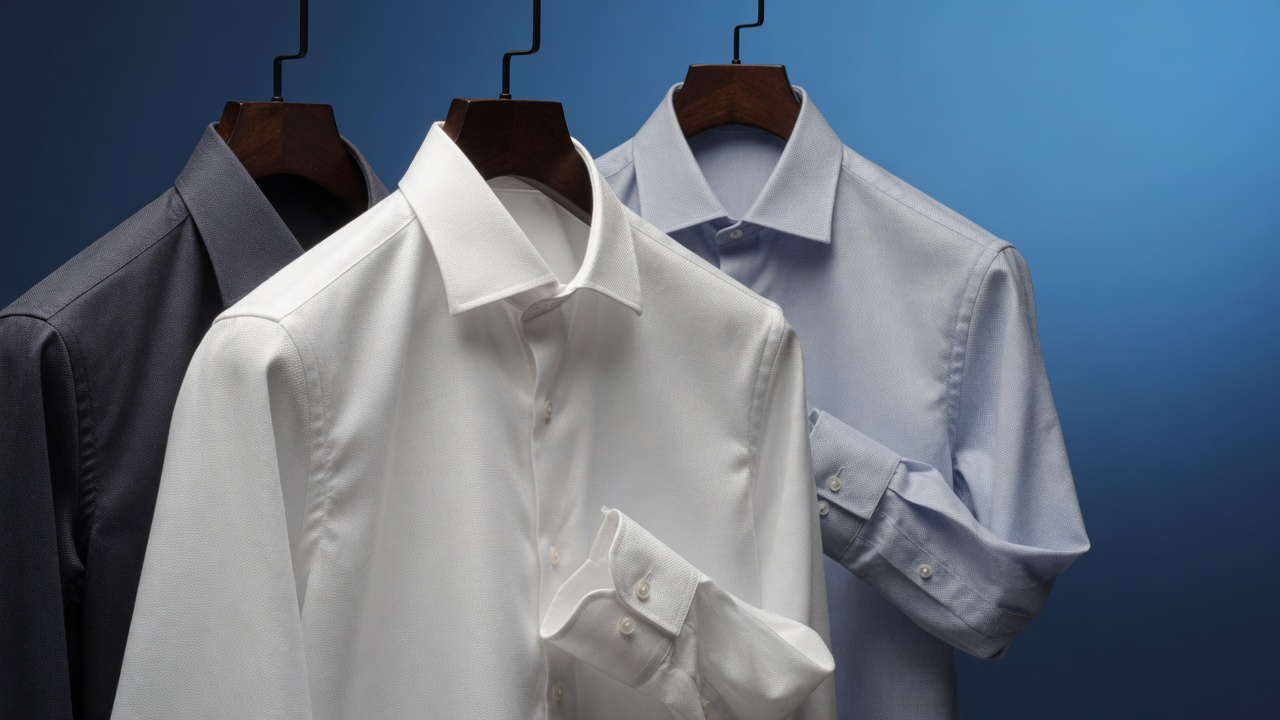
Best Cotton Fabric for Shirts: High-Ply Cotton and 5 Key Benefits for Tailored Shirts
You’ve decided on a tailored shirt – great. But when you see “2‑ply cotton” on the fabric swatch, does it make a real difference? Many men spend hundreds on a custom shirt only to have it wrinkle after an hour, lose collar shape after a few washes, or feel rough against the skin. That’s often because the fabric wasn’t built to last. By the end of this guide, you’ll understand “The Ply Principle” – a simple way to judge shirt fabric quality – so you can choose a high‑ply cotton that stays crisp, comfortable, and durable. We’ll cover what ply means, the five key benefits for tailored shirts, how high‑ply compares to other fabrics, and what to check before you order.
Key Takeaways
High‑ply cotton – especially 2‑ply and 3‑ply – is the single best cotton fabric for shirts because it combines durability with a soft hand.
- The Ply Principle: More plies mean longer‑lasting fabric without sacrificing comfort.
- 5 real benefits: Durability, wrinkle resistance, softness, shape retention, breathability.
- Shop smart: Look for “combed ring‑spun” and 2‑ply for everyday shirts; 3‑ply for heirloom‑quality.
What Does “High‑Ply” Mean in Cotton Fabrics?
The single most important indicator of long‑term shirt quality is the ply count of the cotton fabric – more plies mean the yarn is twisted stronger, resisting wear and maintaining shape. After examining fabrics from dozens of custom shirt makers, we’ve identified that this simple metric separates a shirt that lasts from one that disappoints. The term “ply” refers to the number of individual yarns twisted together to form a single thread. One‑ply fabric uses one strand per thread – common in budget shirts that wear out quickly. Two‑ply twists two strands together, creating a stronger, smoother yarn. Three‑ply, though rarer, offers even greater density and longevity. The Ply Principle is simply this: the higher the ply count, the more durable and resilient the fabric.
Ply Defined: The Building Block of Fabric Strength
Think of ply like the strands of a rope. A single‑strand rope is easy to break, but twist two or three strands together and you get something far stronger. The same logic applies to shirt fabrics. A 1‑ply cotton shirt may feel okay in the store, but after a few washes it often thins, pills, and loses its shape. A 2‑ply fabric, by contrast, keeps its structure and resists wear. Experienced tailors consider 3‑ply the benchmark for heirloom quality. Don’t confuse ply with thread count – a 100‑thread‑count 2‑ply fabric is actually stronger than a 200‑thread‑count 1‑ply. Ply determines the yarn’s construction; thread count just tells you how dense the weave is.
Why Combed Ring‑Spun Cotton Matters
Not all high‑ply cotton is created equal. The quality of the raw fibers and how they’re processed matter just as much. “Combed” means the cotton has been run through a combing machine that removes short fibers and impurities, leaving only the long, smooth strands. “Ring‑spun” means those fibers are twisted tightly into a fine, strong yarn. When you combine high ply (2 or 3) with combed ring‑spun cotton, you get a fabric that’s soft to the touch yet incredibly tough. This is what separates a premium dress shirt from a mediocre one. The double‑premium combo of high ply plus ring‑spun ensures the shirt feels luxurious and lasts for years.
The 5 Key Benefits of High‑Ply Cotton for Tailored Shirts
Now that you understand what ply means, let’s see how it translates into real‑world advantages. High‑ply cotton isn’t just a marketing term – it directly improves the performance of a tailored shirt in five measurable ways.
Superior Durability – Shirts That Last
A tailored shirt is an investment. The twisted structure of high‑ply yarns creates a denser fabric that resists abrasion, tearing, and thinning over time. A 1‑ply shirt of similar quality may start showing wear around the collar and cuffs after six months of regular use. A 2‑ply shirt can last two to three times longer because the yarns don’t separate or fray as easily. This is especially important if you wear the shirt once a week or more. High‑ply cotton handles machine washing and dry cleaning better, meaning your custom shirt stays looking sharp for years.
Enhanced Wrinkle Resistance
One of the biggest frustrations with dress shirts is that they wrinkle the moment you sit down. High‑ply cotton’s tighter yarn structure resists bending and creasing. A 2‑ply poplin shirt, for instance, will emerge from a suitcase with far fewer wrinkles than a 1‑ply version of the same weave. While no cotton shirt is completely wrinkle‑free, high‑ply fabrics reduce the need for heavy ironing. A quick steam after travel is usually enough to restore a crisp appearance – a significant advantage for professionals on the go.
Softer Feel Over Time
Cheap 1‑ply shirts often feel rough or develop an unpleasant pilled surface after washing. High‑ply cotton, especially combed ring‑spun, starts smooth and gets softer with each wash. The long fibers resist pilling because there are fewer loose ends to form fuzz balls. Over dozens of wears, a 2‑ply or 3‑ply shirt develops a broken‑in comfort that rivals old favorite t‑shirts. This is a subtle but important benefit for anyone who values the feel of their clothing.
Better Shape Retention
A tailored shirt’s fit depends on its ability to hold shape – especially in the collar, cuffs, and shoulders. High‑ply fabric provides structural integrity. The collar won’t droop after a few trips to the dry cleaner, and the seams won’t pucker. This is crucial for a custom shirt, where the fit is tailored to your body. If the fabric loses its shape, the entire silhouette suffers. Many custom‑shirt buyers report that their high‑ply shirts maintain their fit for three to four years, while lower‑ply shirts begin to sag within one year.
Improved Breathability
You might assume that a denser fabric would be less breathable, but high‑ply cotton can actually breathe better. The long, smooth fibers create a fine yarn that allows air to circulate while still providing structure. This is especially true of combed ring‑spun cotton, which has fewer “fuzzy” fibers that trap heat. A 2‑ply cotton in a lightweight poplin weave is an excellent choice for summer dress shirts. You get the durability of high ply without feeling stifled – a balance that lower‑ply fabrics often fail to deliver.
How High‑Ply Cotton Compares to Other Fabrics
High‑ply cotton is a top performer, but it’s not the only option. Here’s how it stacks up against two common alternatives.
High‑Ply vs. Standard Cotton
Standard 1‑ply cotton is lighter and cheaper, but it wears out faster. A 1‑ply shirt may be fine for occasional wear or casual situations. If you wear a dress shirt multiple times a week, the durability and wrinkle resistance of 2‑ply cotton make it a better investment. The difference in feel is also noticeable – high‑ply fabrics are smoother and less likely to feel “papery.”
High‑Ply vs. Linen
Linen is prized for its breathability in hot weather, but it wrinkles severely. High‑ply cotton is a middle ground: it breathes well – though not as much as linen – and resists wrinkles significantly better. For year‑round tailored shirts, 2‑ply cotton offers the best balance of durability, wrinkle resistance, and comfort – outperforming linen in wrinkle recovery and blends in breathability.
What to Look for When Choosing High‑Ply Fabric
Knowing the benefits is one thing; applying them at the fabric counter is another. Here are two critical factors to check.
Thread Count vs. Ply – What Really Matters
Many men fall into the “thread count” trap. A 200‑thread‑count 1‑ply fabric is actually weaker than a 100‑thread‑count 2‑ply fabric – the ply determines the thread’s strength. Thread count is the number of threads per square inch, and while it affects feel, it doesn’t tell you how well the fabric will hold up. Always look for “2‑ply” or “3‑ply” on the label or swatch. When ordering a custom shirt, ask your tailor for a fabric that is both 2‑ply combed ring‑spun and mercerized – this combination ensures strength, softness, and a subtle sheen.
Fabric Weave and Finish Considerations
The weave changes how the fabric behaves. Poplin is crisp and lightweight – great for business shirts. Twill is softer and drapes better. Oxford is more casual and durable. Finishing processes like mercerization (treating with sodium hydroxide) make cotton fibers swell, adding luster, strength, and reducing shrinkage. A high‑ply fabric that has been mercerized will feel smooth and resist wrinkling even more. Don’t ignore the weave – it works together with ply to create the shirt’s character.
Limitations & When to Choose Alternatives
High‑ply cotton is excellent, but no fabric is perfect for every situation. Here’s when you might want something else.
Common Pitfalls When Shopping by Ply Alone
Ply isn’t the only quality indicator. A poorly finished 2‑ply fabric can feel rough or shrink unevenly. Also, high‑ply fabric can be heavy – not ideal for very hot climates if you want maximum airflow. Always handle a swatch before ordering to check the hand and weight.
When to Choose Linen, Poplin, or Blends
If you regularly wear shirts in 90°F+ weather, linen or a cotton‑linen blend may be more comfortable. For extreme formal occasions, a fine 1‑ply poplin might give you the crispest appearance (though it won’t last as long). High‑ply cotton may be overkill for a casual summer shirt – in that case, a lighter 1‑ply linen‑cotton blend offers breathability and a relaxed look at a lower cost.
Frequently Asked Questions
What is the highest quality cotton for shirts?
The highest quality cotton for shirts is typically 2‑ply or 3‑ply combed ring‑spun cotton. This construction creates strong, smooth yarns that resist pilling and maintain shape. Premium options include Egyptian or Supima cotton woven in a fine poplin or twill weave.
What is the difference between 1‑ply and 2‑ply cotton shirts?
1‑ply cotton uses a single strand of yarn per thread, making the fabric lighter and less durable. 2‑ply twists two strands together, creating a stronger, smoother fabric that holds its shape longer and resists wrinkles. For tailored shirts, 2‑ply is the standard for quality.
Is pima cotton better than 100% cotton?
Pima cotton is a type of 100% cotton known for extra‑long staple fibers that produce softer, stronger fabric. It’s generally better than standard cotton but still depends on ply and weave. A 2‑ply Supima cotton shirt outperforms a 1‑ply standard cotton shirt.
What is the best fabric to use for sewing shirts?
For tailored dress shirts, 2‑ply combed ring‑spun cotton in a poplin or oxford weave is the best choice. It offers durability, wrinkle resistance, and a comfortable hand. For casual sewing projects, 1‑ply linen‑cotton blends work well.
Why is nothing 100% cotton anymore?
Many shirts use cotton‑polyester blends to reduce wrinkling and lower cost. However, 100% cotton is still widely available, especially in premium shirts. Look for “100% combed ring‑spun cotton” to ensure pure cotton with quality construction.
Conclusion
For the best cotton fabric for shirts, prioritize ply count over thread count. Two‑ply combed ring‑spun cotton delivers durability, softness, and wrinkle resistance that make tailored shirts worth the investment. The Ply Principle simplifies your fabric choice and ensures long‑term value.
Remember the core idea: more plies mean a stronger thread, which translates to a shirt that looks and feels better wear after wear. Next time you order a custom shirt, ask your tailor for a 2‑ply combed ring‑spun fabric. Your wardrobe will thank you.


Leave a Reply