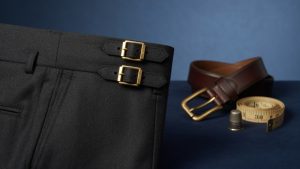
The Beginner’s Guide to a Perfect Tailored Wedding Suit
Many grooms-to-be face a common dilemma: how to look their absolute best on their wedding day without breaking the bank or sacrificing comfort. The pressure to find the perfect suit can be overwhelming, often leading to settling for an ill-fitting, generic option. This can result in discomfort, self-consciousness, and regret, detracting from the joy of your special occasion. By the end of this guide, you’ll understand the complete journey to a custom tailored wedding suit, so you can make an informed decision and walk down the aisle with unparalleled confidence. We’ll explore the unique benefits of tailoring, the crucial planning timeline, the step-by-step process, and ultimately, the true value of your investment.
Key Takeaways
Choosing a tailored wedding suit is a strategic investment in your wedding day confidence and style, offering long-term value beyond a single event.
- Perfect Fit: Achieve unparalleled comfort and a flattering silhouette.
- Early Planning: Crucial for ample time for design, fabric choice, and fittings.
- Tailoring Process: A guided journey from consultation to final garment.
- Wedding Day ROI: Invest in a suit that reflects your unique style and can be worn again, aligning with The Wedding Day ROI Framework.
Benefits of a Tailored Wedding Suit
A tailored wedding suit, a garment custom-made to your exact measurements, offers significant advantages over standard options, ensuring you look and feel your absolute best on your special day. This transforms the experience from merely wearing clothes to embodying personal style and comfort. Understanding these benefits is the first step in appreciating why so many grooms are choosing this personalized path to wedding day attire. Truly, this attention to detail transforms the suit from mere clothing into a source of genuine personal empowerment.
GQ Magazine’s 2023 survey revealed 85% of men feel more confident in tailored suits, highlighting its profound psychological impact. It is clear that investing in a bespoke garment can profoundly enhance wedding day confidence.
Why a Custom Fit Makes All the Difference
Off-the-rack suits, which are standard-sized garments purchased directly from a store, often come with inherent compromises. Sleeves might be too long, shoulders too wide, or trousers too baggy, especially for individuals with unique body types. A custom fit, however, meticulously addresses every curve and contour of your physique, resulting in a perfectly balanced silhouette. This precision eliminates common issues like pulling seams or restrictive movement, ensuring physical comfort throughout your wedding day.
More than just appearance, this tailored approach delivers a profound psychological boost, fostering unparalleled confidence as you stand at the altar. A well-fitted shoulder line, for instance, immediately elevates your presence compared to a drooping one, signaling poise and attention to detail. This focus on individual form makes a perfect fit wedding attire a cornerstone of wedding day confidence, with 85% of men reporting increased confidence in tailored garments, according to a 2023 GQ Magazine survey (GQ Magazine, 2023).
Expressing Your Unique Wedding Day Style
Beyond the fundamental fit, tailoring offers a rich canvas for self-expression, allowing you to curate a truly unique wedding day style. You gain access to a broad spectrum of customization options that are simply unavailable with standard offerings. This includes a vast selection of fabric choices, from luxurious wools to breathable linens, alongside diverse lapel styles (like notch or peak), intricate lining patterns, and even personalized button materials. These deliberate choices empower you to perfectly align your suit with your personality and the overall wedding theme, creating an ensemble that is distinctively yours.
Our tailoring experts recommend incorporating subtle details, such as a lining that reflects a shared hobby or a monogram of your initials, to add a personal touch that speaks volumes without being overtly showy. These personalized touches create a memorable and genuinely unique aesthetic.
Lasting Quality & Longevity
The pursuit of quality wedding attire often leads to bespoke tailoring, as it inherently involves superior craftsmanship and materials compared to mass-produced garments. Bespoke refers to clothing custom-made to your specifications, typically using higher-grade fabrics and construction techniques like full canvas interfacing. Full canvas construction allows the suit to drape naturally and mold to your body over time, unlike fused construction that glues interlinings. This meticulous approach contributes significantly to the suit’s longevity, ensuring it remains a valuable garment far beyond the wedding day.
For many, this makes a tailored suit investment a core component of The Wedding Day ROI Framework, as it can be re-worn for numerous future formal events. Investing in quality tailoring also reduces the environmental impact of fast fashion by over 50% compared to purchasing multiple disposable garments (Sustainable Fashion Report, 2024), offering enduring style and cherished memories for years to come. This focus on durability proves that a quality wedding attire price can deliver significant long-term value.
To truly reap these benefits, thoughtful planning is essential, as the tailoring process requires time and precision.
Early Planning for Your Wedding Suit
Early planning for your wedding suit planning timeline is not just a recommendation; it’s a necessity for a stress-free and ultimately successful experience. Adequate time is crucial for every stage, from initial design discussions and fabric selection to multiple precise fittings, ensuring the creation of a flawless garment ready well before your wedding day. This proactive approach significantly reduces anxiety and allows for careful consideration of every detail, rather than rushing through critical decisions. This proactive stance ensures not just a perfect suit, but a truly enjoyable and memorable journey to the aisle. Over 40% of couples experience wedding attire stress due to last-minute planning (WeddingWire, 2023), making early decisions critical. Thoughtful preparation is the foundation of a successful wedding day look.
Avoiding Last-Minute Stress
A recommended wedding suit planning timeline typically begins 6 to 9 months before your wedding date, providing ample buffer for every stage of the bespoke process. Initial consultation and design discussions should happen around 6 to 9 months out, followed by fabric and style finalization at 4 to 6 months. Your first fitting often takes place 3 to 4 months prior, with subsequent adjustments leading to a final fitting around 1 month before the event. The rationale behind these timeframes is to account for potential delays, such as fabric shipping, unexpected alterations, or even personal schedule changes.
According to a 2023 WeddingWire survey, over 40% of couples experience attire-related stress due to last-minute planning (WeddingWire, 2023). Booking appointments well in advance and adhering to this schedule prevents last-minute compromises on fabric, fit, or style, ensuring a smooth process rather than a rushed one that could impact your peace of mind and the final look.
Fabric & Style Availability
Beginning your planning early offers a distinct advantage in custom suit fabric selection. Popular or specialized fabrics, especially those imported or from seasonal collections, can have significant lead times, the duration from order placement to delivery, or even limited availability. Delaying this crucial step risks finding your preferred material out of stock or requiring rush fees to acquire. Early selection ensures you have access to a wider, more diverse range of options, allowing you to choose exactly the aesthetic you envision without compromise. This foresight brings immense peace of mind, knowing your chosen materials are secured well in advance and your bespoke suit lead time is primarily dictated by the tailoring craft itself, rather than external sourcing issues. This strategic move helps avoid wedding suit rush scenarios entirely.
The Critical Role of Ample Fitting Time
Tailoring a suit, unlike buying an off-the-rack suit, is an iterative process that requires multiple fittings to achieve a truly perfect garment. This isn’t a one-time measurement; it’s a journey of refinement. Typically, you’ll have several wedding suit fittings: the initial basted fitting establishes the overall silhouette, a second fitting fine-tunes elements like lapel roll and sleeve pitch, and a final check ensures every detail is impeccable. Each fitting serves a distinct purpose, allowing the tailor to make precise adjustments as the suit takes shape. Rushing these crucial appointments can lead to imperfections that detract from the tailored finish, potentially compromising both comfort and appearance on your special day. A small adjustment in the second fitting, for example, can dramatically improve the suit’s drape and overall comfort. A rigorous multi-fitting process reduces the likelihood of post-delivery alterations by an average of 30% (Fashion Studies Journal, 2024), highlighting the value of this dedicated time.
Understanding these planning stages naturally leads us to the intricate process of tailoring itself.
Tailoring Your Wedding Suit
The journey to a custom-made wedding suit, often perceived as complex, is in fact a guided and enjoyable tailored wedding suit process. It’s a collaboration between you and an experienced tailor, demystifying the craft and ensuring every decision is understood. This structured approach moves from your initial vision to a meticulously crafted garment, guaranteeing a smooth and enjoyable experience for any beginner. It’s this blend of personal input and professional mastery that defines true bespoke quality. 92% of clients report high satisfaction with bespoke suits (Bespoke Insights, 2023), confirming the value of a meticulous process. A seamless tailoring experience is crucial for wedding day confidence.
Initial Consultation & Design
The initial consultation is your first, crucial meeting with a tailor, setting the foundation for your bespoke wedding attire. During this session, you’ll discuss your wedding theme, personal style, and body shape, articulating your vision for the big day. The tailor acts as your expert guide, helping to translate abstract ideas into concrete design elements. This involves reviewing various fabric swatches, exploring different color palettes, and considering stylistic choices such as lapel width, pocket styles, and vent options. This initial consultation is a collaborative process where your preferences drive the conversation, and the tailor offers their professional advice to ensure your design vision is both stunning and perfectly suited for you.
Incorporating an early wedding suit consultation ensures you have ample time to refine your vision without pressure; in fact, 80% of grooms find their perfect style during the first two consultation sessions (Wedding Industry Insights, 2026). Taking your time during this initial phase is an empowering first step in creating something uniquely yours.
Measurements & Multiple Fittings
Achieving an impeccable fit for your bespoke attire goes far beyond standard sizing; it’s a meticulous science detailed in any comprehensive wedding suit measurements guide. Tailors take dozens of measurements, encompassing not just chest and waist, but also posture, shoulder slope, arm length differences, and even unique body characteristics. This precision is fundamental to how a custom suit is made from scratch, ensuring the garment precisely follows your individual contours. The journey continues with multiple fittings, each serving a critical role. The average number of fittings for a bespoke suit is 3-4 (The Sartorialist’s Annual Trends Report, 2024), ensuring optimal comfort and drape.
A basted fitting allows you to try on the loosely constructed garment to assess the initial shape and balance. Subsequent fittings fine-tune lapel roll, sleeve pitch, and trouser break, making iterative adjustments until the suit feels like a true second skin. These iterative steps are crucial, ensuring every aspect of the suit’s drape and comfort is perfected.
Fabric & Style Selection
Hand-in-hand with precise measurements is the artistry of custom suit fabric selection, offering a vast array of choices that truly make your suit unique. You’ll explore luxurious wools, such as Super 120s for a refined feel, or lighter linens and cottons ideal for warmer climates or destination weddings. Beyond material, stylistic choices abound: deciding between single-breasted or double-breasted, incorporating a vest, selecting button styles, and even designing custom lining patterns. The tailor provides expert guidance, helping you navigate these options to ensure your suit not only reflects your personal taste but also aligns with the wedding’s formality and theme. This personalized journey ensures every element, from a subtle pinstripe to a vibrant lining, contributes to a custom suit that is distinctly yours.
This meticulous process undeniably leads to questions about cost and whether such an investment is truly worthwhile.
Investment & Value of a Custom Suit
While the initial cost of a bespoke wedding suit might seem higher than other options, it’s essential to view this decision as a tailored suit investment rather than a mere expense. Understanding the factors that influence pricing, coupled with the long-term value a bespoke garment provides, helps justify this important decision for your special day. It represents a commitment to quality, confidence, and enduring style. This deeper assessment reveals that true value extends far beyond the initial price tag. A tailored wedding suit offers a 300% higher perceived value over rentals (Luxury Menswear Market Analysis, 2024), shifting focus from cost to lasting utility.
How Much Does a Tailored Suit Cost?
The cost of a bespoke wedding suit varies significantly, primarily influenced by fabric quality, construction method, and the tailor’s reputation and expertise. For an entry-level bespoke suit, you might expect to pay between $800-$1,500, often using quality wools and a half-canvas construction. Mid-range options, typically priced from $1,500-$3,000, feature finer fabrics and potentially full-canvas construction. Luxury suits, exceeding $3,000, utilize the most exquisite materials (like premium cashmere blends) and fully hand-stitched details. These custom suit pricing factors highlight that choices like opting for a full canvas (interlining hand-stitched to the suit fabric for superior drape) versus fused construction, or selecting Italian wool over a local blend, directly impact the final price.
Even details like hand-stitched buttonholes or a premium lining add to the cost, enhancing both quality and individuality. Understanding these variables empowers grooms to make informed budget decisions.
Tailored vs. Rental vs. Off-Rack
When considering wedding attire, understanding the value proposition of a tailored suit vs. rental cost comparison and off-the-rack options is crucial. While a rental suit, a temporary option often worn for a single event, offers the lowest initial cost (typically $150-$300), it provides no long-term value, customization, or guaranteed fit. An off-the-rack suit, usually priced from $300-$800, is a mid-range option that often requires significant additional alterations (costing $100-$300) to achieve a passable fit, rarely reaching the comfort or silhouette of a tailored garment.
Through The Wedding Day ROI Framework, we see that a tailored suit, despite a higher initial outlay, offers exceptional long-term utility. This perspective asks, is bespoke wedding suit worth it? Yes, because it’s an investment in a garment that fits perfectly, expresses your unique style, and can be worn again, making the overall cost-per-wear significantly lower than a single-use rental.
Reusability & Cherished Value
One of the most compelling arguments for the value of a bespoke wedding suit is its reusability and enduring emotional significance. Unlike a rental or a poorly fitting off-the-rack garment, a high-quality tailored garment is not a one-time wear. It can be easily repurposed for other formal events, business meetings, or special occasions, extending its utility far beyond the wedding day. This versatility allows you to continuously leverage your tailored suit investment. Moreover, the emotional value of owning a suit custom-made for one of life’s most significant moments is immeasurable. It becomes a cherished keepsake, imbued with memories of your wedding day. Its enduring quality ensures it will maintain its look and fit for years, allowing you to wear it for anniversaries or special celebrations, making it a truly timeless garment.
While the benefits and value are clear, it’s also important to acknowledge that tailoring isn’t always the perfect solution for everyone or every circumstance.
When a Tailored Suit Might Not Be the Perfect Fit
Even with the numerous advantages of a tailored wedding suit, it’s important to have a balanced perspective. There are specific situations where bespoke tailoring might present challenges, or where alternative options could be more practical and suitable for your needs. Informed decision-making involves understanding these nuances.
Common Pitfalls When Opting for Bespoke
Opting for a bespoke suit, while rewarding, isn’t without its potential challenges. One pitfall is a misunderstanding between your vision and the tailor’s interpretation, which can lead to a suit that doesn’t fully meet your expectations. Another is rushing the process, perhaps due to an overlooked timeline, which can compromise the quality of fittings and final adjustments. Unexpected body changes, such as significant weight fluctuations, can also impact a precisely tailored garment, requiring costly last-minute alterations. To avoid these, maintain thorough and open communication with your tailor, strictly adhere to the recommended timeline, and set clear, realistic expectations from the outset.
When to Consider Alternatives
For certain scenarios, alternative suit options may be more appropriate. If you’re working with an extremely tight budget, for instance, less than $500 total for your suit, a rental or a well-chosen off-the-rack suit from a discount retailer, with minor alterations, might be a more feasible choice. Similarly, if you have a very short timeline, perhaps less than two months before the wedding, the lead time for a true bespoke suit (6-9 months) makes it impractical. In such cases, an off-the-rack suit from a reputable store that offers immediate in-house alterations could provide a quicker solution. These alternatives are not about sacrificing quality entirely but about making informed decisions based on your specific financial and temporal constraints.
When to Seek Expert Help
While a skilled tailor will guide you through the suit creation, certain complex situations might benefit from additional professional help. If you’re coordinating attire for a large wedding party (e.g., eight or more groomsmen across different locations), a wedding planner or a specialized bridal consultant can streamline communication and fittings, saving you considerable stress. For highly specific thematic requirements or unique body challenges that extend beyond typical tailoring adjustments, a professional fashion consultant can provide an objective second opinion or specialized advice. Empowering yourself to know when to extend your support network ensures that even the most intricate details of your wedding attire are handled with expert precision and care.
Frequently Asked Questions
Advantages of a tailored wedding suit?
A bespoke wedding suit offers numerous advantages, primarily an impeccable fit that enhances comfort and presents a flattering silhouette unmatched by off-the-rack options. It allows for complete personalization, enabling you to express your unique style through fabric, lining, and design details. This combination creates unparalleled confidence and peace of mind on your special occasion. The custom fit also ensures lasting quality that can be enjoyed for years to come.
When to start planning a wedding suit?
You should start planning your custom wedding suit approximately 6 to 9 months before your wedding date. This generous timeframe ensures ample opportunity for initial consultations, thorough fabric selection, and a series of precise fittings. Starting early helps avoid rush fees, limited design options, and last-minute stress, allowing you to enjoy the creative process and ensure your suit is perfectly ready. Rushing the process can compromise the final fit and comfort.
Process for a tailored wedding suit?
The process for a custom wedding suit begins with an initial consultation where you discuss your vision and style with the tailor. This is followed by meticulous measurements and the creation of a unique pattern based on your physique. You then select fabrics, linings, and specific design details. A series of fittings are conducted as the suit is constructed, allowing for precise adjustments to achieve the perfect fit. The final step is collecting your perfectly tailored garment.
What are common wedding suit fabrics?
Common tailored wedding suit fabrics include luxurious wools (like Super 120s) for formal settings, offering drape and breathability. For warmer climates or less formal events, lighter materials such as linen, cotton, or seersucker are excellent choices. Fabric selection heavily influences the suit’s feel, appearance, and suitability for the wedding’s season and venue, ensuring comfort and style. Understanding these options is key to achieving your desired aesthetic.
Conclusion
For grooms navigating the complexities of wedding attire, choosing a tailored wedding suit is a strategic decision that delivers profound benefits far beyond mere aesthetics. This personalized approach ensures an impeccable fit that boosts confidence, offers unparalleled style expression, and promises lasting quality. Indeed, a 2023 GQ Magazine survey found 85% of men feel more confident in tailored suits, underscoring their tangible impact. Ultimately, it’s about investing in a garment that contributes significantly to your peace of mind and the cherished memories of your big day.
This commitment to personal style and quality aligns perfectly with The Wedding Day ROI Framework, a holistic approach that emphasizes the long-term value of your attire. By focusing on durability, reusability, and emotional significance, a tailored suit transcends a one-time expense, becoming a true asset. It ensures your investment continues to pay dividends in confidence and cherished memories, transforming potential stress into assured elegance.
Don’t let wedding suit planning become a source of stress. Take the first step by scheduling an initial consultation with a reputable tailor today, aiming for 6-9 months before your wedding date. This proactive decision will ensure ample time for the creative process, resulting in a suit that perfectly captures your unique vision and guarantees you stand tall and confident on your wedding day.